
• Send strong messages to Tinubu, Atiku, Obi, Makinde, Adebayo, Donald Duke, others
• Affordability, security, steady power supply top list
By Steve Oko, Olasukanmi Akoni, Esther Onyegbula, Cynthia Alo, Shina Abubakar, Rotimi Ojomoyela, Golok Nanmwa, James Ogunnaike, Musa Ubandawaki, Peter Duru, Haruna Aliyu, Deola Badru & Chiamaka Ekwuwe
Hunger is biting harder, insecurity is spreading fear across communities, businesses are groaning under the weight of rising energy costs, and millions of Nigerians are struggling to survive on incomes that can hardly meet their basic needs.
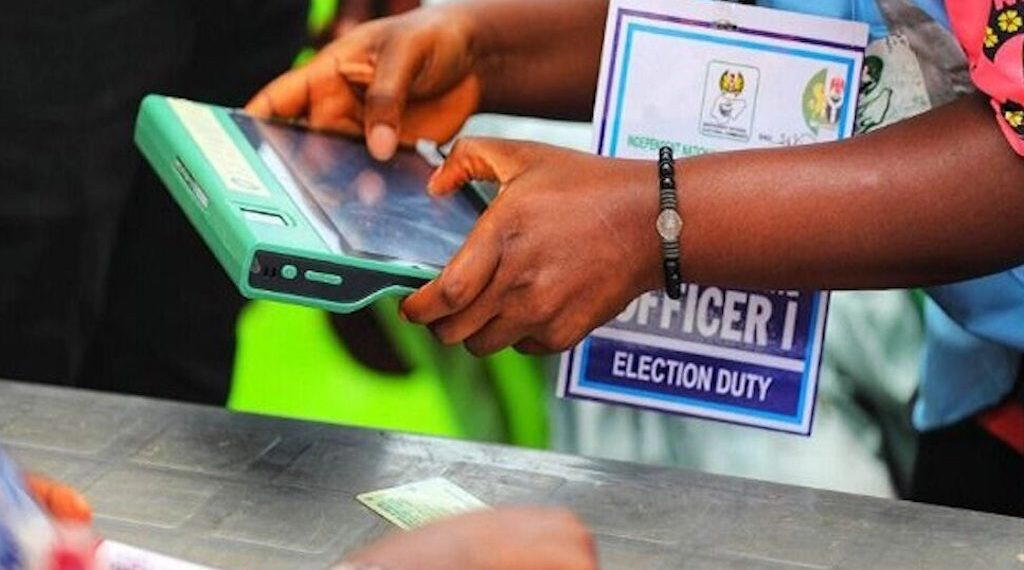
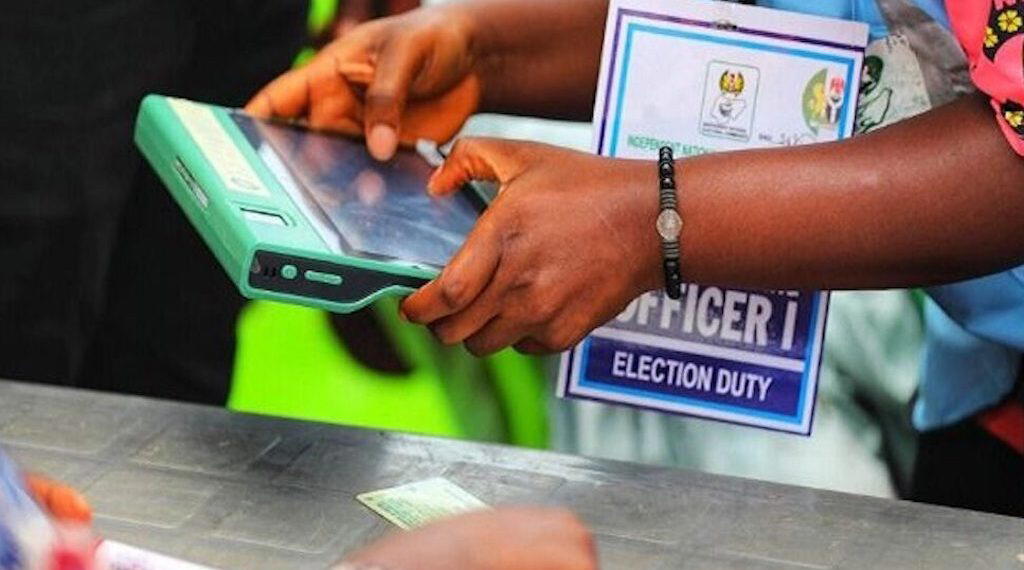
From the farmer afraid of returning to his farm to the unemployed graduate searching endlessly for a job, the average Nigerian is looking towards the 2027 general elections, with 68 days to the polls, with one overriding expectation: a president who will make life worth living again.
With the political atmosphere charged ahead of the presidential election, Nigerians across the country have sent a strong message to the presidential candidates: the next occupant of Aso Rock must move beyond campaign rhetoric and confront hunger, poverty, insecurity, unemployment, inflation and the worsening living conditions of citizens.
Expectations
The expectations are particularly high as President Bola Ahmed Tinubu of the All Progressives Congress (APC) seeks another mandate, facing an array of contenders, including former Vice-President Atiku Abubakar of the African Democratic Congress (ADC); former Anambra State Governor, Peter Obi, of the Nigeria Democratic Congress (NDC); Oyo State Governor, Seyi Makinde, of the Allied Peoples Movement (APM); Senator Sandy Ojang Onor of the Peoples Democratic Party (PDP); former Cross River State Governor, Donald Duke, of the Peoples Redemption Party (PRP); Omoyele Sowore of the African Action Congress (AAC); and Adewole Adebayo of the Social Democratic Party (SDP).
Other candidates on the Independent National Electoral Commission’s published list include Sunday Chibuzo Okereke of the Labour Party (LP), Rufai Adekunle Omo-Aje of the Action Alliance (AA), Abbas-Bin Aliyu of the Action Democratic Party (ADP), Yusuf Kabiru of the Allied Peoples Party (APP), Sunday Adenuga of the Boot Party (BP), Moses Olusoji Adebisi of the Democratic Leadership Alliance (DLA), Ada Elizabeth Frederick Okwori of the National Democratic Party (NDP), Nkem Esther Okereke of the National Rescue Movement (NRM), Peter Ada Agada of the Young Progressives Party (YPP) and Daniel Daberechukwu Nwanyanwu of the Zenith Labour Party (ZLP).
Survival
Beyond the political parties, personalities and permutations surrounding the election, those who spoke to Sunday Vanguard in this public opinion survey said their concerns are fundamentally about survival, dignity and a better future.
In contributions from different states and across professional backgrounds, respondents identified seven major areas they want the next president to address: insecurity, economic hardship and the rising cost of living, stable electricity and infrastructure,
employment and youth empowerment, quality education, accessible healthcare, and accountability in governance.
Given the current realities in the country, Sunday Vanguard notes that their demands are not necessarily extravagant. They want to eat without struggling, travel without fear of kidnapping, operate businesses without spending fortunes on diesel and petrol, send their children to good schools, access affordable medical treatment and earn enough to live decently.
For some, the immediate concern is the price of food and petroleum products. For others, it is the frightening state of insecurity, unreliable electricity, unemployment and the deteriorating condition of public institutions. There are also those who believe that unless the electoral process, judiciary and other institutions are strengthened, successive administrations may continue to make promises without being held accountable.
Social welfare
Interestingly, while some respondents advocated state police, the revival of government-owned refineries, direct election of electoral officials and judicial reforms, others called for social welfare payments, lower political expenditure, affordable housing, entrepreneurship education and stronger support for small businesses.
The common thread running through their contributions is that Nigerians want a government whose policies will be felt in their homes, workplaces, farms, schools and hospitals.
For the presidential candidates, therefore, the challenge is not simply to present attractive manifestoes or win the confidence of party faithful. It is to convince a population under considerable economic and social pressure that they have practical answers to the problems confronting the country.
In the words of one of the respondents, Nigerians are no longer interested in grand promises. They want to see improvements in their lives.
As observed across the country, the question uppermost in the minds of many citizens is whether the next president will finally deliver the security, economic relief and responsible leadership they have long been demanding.
Security
Many identified seven broad areas requiring urgent attention: security, economic recovery and cost of living, electricity and infrastructure, employment and youth empowerment, education, healthcare, and accountability and good governance.
For Mr Olufemi Adeniyi, a community leader in Abeokuta, the next president must understand that the essence of governance is to improve the quality of life of the people.
Leaders
“Our leaders must understand that governance is ultimately about improving the quality of life of the people. Nigerians deserve affordable food, decent housing, accessible healthcare, and a government that genuinely prioritises their welfare.
“First and foremost, the government must urgently address the rising cost of living, particularly the prices of essential food items, petroleum products, and cooking gas. These are basic necessities that should be affordable to every Nigerian.
“The three basic needs of humanity are food, shelter, and clothing. Unfortunately, these fundamental necessities appear to have disappeared from the priorities of our political leaders in Nigeria. It is time for them to refocus their attention and demonstrate a genuine commitment to restoring the dignity and well-being of the Nigerian people.”
Affordable
Adeniyi also believes that government must intervene in the building materials market, particularly the cement industry.
“The government must also introduce appropriate legislation and policies to bring down the exorbitant prices of building materials, particularly cement. Nigeria is blessed with abundant limestone, one of the principal raw materials used in cement production. It is therefore unacceptable that Nigerians should continue to struggle to afford a product made from a resource with which our country is abundantly endowed.
“Making cement affordable through appropriate government intervention and regulation will go a long way towards helping ordinary Nigerians realise their dream of owning and building their own homes.
“Furthermore, our healthcare system is practically in comatose. Successive administrations have continued to pay lip service to its revival without delivering the meaningful reforms required to make healthcare accessible, affordable, and effective.
“We are not asking for too much. We simply want a functional healthcare system that works for everyone, regardless of their social or economic status.”
A businessman, Adebayo Adelaja, also wants the next administration to formulate policies that will directly improve citizens’ welfare.
He said: “The incoming government should introduce urgent measures to cushion the effects of rising petroleum product prices. The oil sector is a major pillar of Nigeria’s economy. Reducing the burden of fuel prices will bring down transportation costs and the prices of essential commodities.
“The rising cost of living has placed an enormous burden on households and ordinary Nigerians.”
Adelaja also called on the next president to tackle insecurity headlong.
“Nigerians deserve to live, work and conduct their businesses without the fear of attacks, kidnapping and other criminal activities. Addressing insecurity is essential to restoring peace, promoting economic activities and creating an enabling environment for national development.”
Environment
On regional trade, he advocated reopening Nigeria’s land borders with neighbouring countries to revive economic activities.
“Reopening the borders would create opportunities for traders, farmers and other economic operators while strengthening Nigeria’s commercial relations with neighbouring countries. A more favourable trade environment would stimulate economic growth and provide additional sources of income for citizens.”
He further called for a review and reduction of pilgrimage fares for Muslim and Christian faithful, arguing that religious journeys should not impose financial burdens on ordinary Nigerians.
“Greater attention should be given to citizens’ welfare, and public funds expended on pilgrimage-related activities could be channelled towards essential social needs and development priorities.”
For Adelaja, the overriding consideration of the next administration should be the welfare of the people.
“The incoming administration should prioritise policies that directly improve living conditions, promote economic stability and ensure that the welfare of Nigerians remains at the centre of governance.”
Stable electricity: Nigerians speak
From Ekiti State, Joseph Emeribe identified stable electricity as the most important development Nigeria needs to address unemployment, insecurity and the increasing migration of young Nigerians.
He said: “I am a concerned Nigerian who hopes, prays and believes that the day Nigeria rises up, Africa gets back her place among the comity of nations. Manifesto or not, what we need as a nation is stable power supply.
“How can you boast to be in power yet your followers languish in darkness? Industries go moribund because of challenge with running of their machines and the cost of fuel.
“Should we have stable power supply as a nation, things will go well. Unemployment would be brought to the barest minimum. Insecurity would be history. People would see little to no reason to ‘japa’.”
Another respondent, ThankGod Ochai, said reducing fuel prices must be a major priority for whoever becomes president in 2027.
“One of the major things I want the next president to address is the cost of fuel. Fuel prices in Nigeria have become a major concern because they affect almost everything, from transportation to food prices and the cost of running a business.
“I believe Nigerians deserve access to more affordable and stable fuel, especially considering that we are an oil-producing country. Whoever becomes president in 2027 should prioritise policies that will make domestic refining more efficient, reduce the cost of fuel, and ease the financial pressure on ordinary Nigerians.
“We cannot continue to have fuel prices rising and, in turn, watch the cost of living become increasingly difficult for citizens. Nigerians need relief, and affordable energy is an important part of that.”
Struggle
Precious, a civil servant, said her expectation from the presidential election was an improved standard of living.
“I want to see the economy improve and things become easier for ordinary citizens. Nigerians should be able to afford basic necessities without having to struggle.”
For Karim Rahman, a taxi driver who said he had spent 15 years in the profession, the expectation is a government that would give ordinary Nigerians hope and better opportunities for their children.
“I have a positive feeling about the future, and I hope the government will do something to improve our lives.
“It is not our fault that projects are not being implemented; the responsibility lies with the government.
“We are in a difficult situation and feel helpless. We want our children to have better opportunities and a brighter future.
“I had hoped to give my child a good education and secure a decent job for him. That was my greatest ambition.
“However, before I could achieve that, I lost my job and was left to fend for myself. I had considered joining the army, but I lost my job, leaving me with very few options.”
Security, electricity and jobs: Saka, others speak
Police
Waheed Saka, Convener of Dialogue 365, said the next president must prioritise security, stable electricity and employment generation.
He said: “We are in another period of electioneering campaign and politicking among several political parties. Most of these parties have been going around with promises. But for me, I will love that next Nigeria’s President prioritises security across the country.
“Here, the coming of State Police is a good step in the right direction, while I strongly advise that appropriate checks and balances be put in place to ensure that it is not subject to abuse.
“Beside security, I will also like that the President ensure that Nigeria has stable power supply. A country with stable electricity will definitely witness development as companies will be established, knowing that power supply is guaranteed. This will also further reduce forex on importation of generators or turn the country into a dumping ground for import.
“Also, the next president should also prioritise job creation, so that the teeming youth population across the country will be meaningfully engaged and contribute to the economic development.
“It is not enough for any of the candidates to just sweet-talk but also expatiate on how to implement their manifestoes if elected.”
Olowu Emmanuel, in his contribution, said the next president must find a lasting solution to the problems confronting the country’s refineries and energy sector.
“From my own point of view, Nigeria’s next President should dissipate energy on finding solution to the conundrum of government-funded refineries with a view to easing the suffering of Nigerians.
“The refineries in Nigeria need to get back on track with a view to enhancing competition in the interest of Nigerians and the country itself.
“Another very important issue is security of every Nigerian irrespective of their ethnic or religious beliefs. A major setback for the economic development of the country is insecurity and any president that solves it will be a hero.
“The energy sector is also very important. We must look at the issue of subsidy again. The international market must not always be the determinant; government must protect the poor from the instability of the energy sector.”
Infrastructure: Seven-point agenda: Inogbo speaks
Obinna Inogbo, a public relations and communications expert, outlined seven expectations, including social welfare, electricity reforms, improved security personnel remuneration, entrepreneurship education, public school infrastructure, affordable political participation and improved public transportation.
He said: “A government that protects its poorest citizens from desperation by providing them with N50,000 monthly for a specified period, until they can get back on their feet, will earn the goodwill of the people.
“Government should grant concessions to credible private electricity providers willing to invest in the sector and make profits by supplying electricity to Nigerians.
“Police officers and members of the Army and Navy should receive salaries comparable to those in the private sector, enabling them to live with dignity and reducing their vulnerability to bribery and compromise by criminals.
“Sales and entrepreneurship should be introduced into the secondary school curriculum. These are essential skills that everyone needs, regardless of their chosen profession. Teaching them in schools will help students understand that fulfilling their potential does not necessarily mean securing an office job.
“Government-owned schools are in deplorable conditions and require urgent attention. Government should invest in infrastructure to make them comparable to private schools. Some of our public schools look not just outdated but prehistoric.
“The exorbitant cost of nomination forms excludes millions of Nigerians who would otherwise be interested in contesting elections. This is unfair. The average Nigerian with political aspirations should be able to afford these forms without becoming indebted to political godfathers.
“Many of our buses are outdated, overcrowded and unhygienic. We need modern, comfortable and well-ventilated buses befitting a modern society.”
Seven expectations: Ufeli, Yakubu, others
Evans Ufeli, Esq., a legal practitioner, said his seven major expectations of the next president were affordable living, reliable electricity, security, employment, quality education, accessible healthcare and accountable governance.
Electricity
He said: “First, the president must address the rising cost of living. Food, transportation and housing have become increasingly unaffordable for many households. I expect clear policies that will reduce inflation, support food production and make essential goods more accessible.
“Reliable electricity is equally important. Households need dependable power supply, while businesses require stable electricity to operate without spending excessively on fuel and generators.
“Third, security must be a priority. Nigerians should be able to travel, farm, attend school and operate businesses without the fear of kidnapping or violence.
“Fourth, I expect practical policies that will create employment opportunities, particularly for young people. Supporting small businesses, improving infrastructure and creating an enabling environment for investment will help more Nigerians earn stable incomes.
“Fifth, the next president must strengthen the education sector by improving public schools, supporting teachers and expanding access to relevant skills training.
“Sixth, healthcare must become more affordable and accessible, particularly through functional primary healthcare centres, so that seeking medical attention does not push families into debt.
“Finally, I expect an accountable government where public funds are spent transparently, corruption attracts consequences and citizens can see measurable progress.”
Abiodun Yakubu, a digital and communications strategist, said the next president must address seven issues which he described as matters of survival for ordinary Nigerians.
He said: “As a Nigerian, my expectations of the next president are not about grand promises but about survival. People are tired, hungry and gradually losing hope. These are the seven issues I want the next president to address.”
On insecurity, he said: “From banditry in the North-West to kidnapping on highways, farmer-herder clashes and cult-related violence in the South, Nigerians no longer feel safe in their homes, farms or schools. Without security, nothing else can work. People cannot go to their farms, children cannot attend school and businesses cannot operate effectively.”
On the cost of living, he said: “The prices of rice, bread, transportation and virtually everything else have increased significantly, while salaries remain largely unchanged. Families are skipping meals. The next president must address inflation, stabilise the naira and make food affordable again. Nigerians are not asking for luxury; they simply want to be able to feed their families.”
Unemployment
On unemployment, Yakubu said: “Millions of graduates are either unemployed or engaged in informal activities such as commercial tricycle operations and point-of-sale businesses because decent employment opportunities are unavailable. Young people are the engine of this country, yet they remain among the most neglected. We need genuine job opportunities, support for small businesses and skills that translate into employment, not just empowerment programmes on paper.”
On electricity, he said: “It is unacceptable that in 2026, Nigeria still struggles to provide reliable electricity. Businesses are collapsing under the burden of diesel costs, students study with torches, and hospitals depend on generators. Fixing the power sector will automatically address several other economic challenges.”
He also called for improved education, saying: “Our public schools are in deplorable conditions, teachers face difficult working environments, and repeated ASUU strikes continue to disrupt the academic calendar and threaten the future of students. A country that fails to invest in education has no future.”
On healthcare, he said Nigerians continued to die from preventable diseases because hospitals lacked adequate equipment, medicines and personnel.
“The next president must strengthen primary healthcare and make health insurance accessible to ordinary Nigerians, not just the wealthy,” he said.
On accountability, Yakubu said: “Nigerians have lost confidence in government because of corruption and the mismanagement of public resources. Funds meant for roads, hospitals and social interventions often fail to achieve their intended purposes. We want a president who will not merely talk about fighting corruption but will hold public officials accountable, reduce wasteful spending and demonstrate transparency in the management of public funds.”
He concluded: “In summary, Nigerians want a president who understands their suffering and demonstrates that understanding through action, not just speeches. We want security, affordable food, jobs, electricity, quality schools, functional hospitals and a government we can trust.”
Threats
Anthony Abakporo, a clergyman, said security, electricity, economic development, healthcare, education, judicial independence, support for small businesses and transparency in public spending must feature prominently in the next president’s agenda.
He said: “Nigerians must be able to live without fear and pursue their livelihoods, particularly farming, without threats to their lives.
“There must be visible and measurable improvement in electricity supply across the country.
“Government should promote production, establish an effective economic system and create an open market regulated by appropriate government policies.
“The cost of governance should be reduced to free up more resources for investment in healthcare and education.
“The electoral body and judiciary should be separated from political interference and strengthened as independent institutions. They should also have independent funding mechanisms and transparent, consensus-based processes for appointing their leadership.
“Government should provide funding for small businesses at reasonable interest rates to encourage growth and economic development.
“A law should be enacted compelling public office holders to regularly publish details of government allocations and expenditure.”
Francisca Ogar, a journalist, said insecurity should top the priority list of the next president.
She said: “The next president already has a lot of work ahead, with addressing insecurity topping the list of priorities.
“Other important issues include reducing the cost of living for ordinary Nigerians, investing in standard primary healthcare facilities that provide services such as geriatric care, improving electricity supply, repairing bad roads, addressing the declining standard of education, empowering young people and tackling unemployment.”
Crisis
Dr Hashim Saludeen, a political analyst, said Nigeria was facing more than an economic crisis, adding that the country was also confronting a crisis of governance, public trust and national cohesion.
He said: “As Nigeria moves towards the 2027 general elections, my expectation is that the next president must understand that the country is facing more than an economic crisis. We are also confronting a crisis of governance, public trust and national cohesion.
“My seven priorities are security, economic recovery and the cost of living, quality education, accessible healthcare, employment and youth empowerment, justice and the rule of law, and accountable leadership.
“These issues are not isolated. They are deeply interconnected, and failure in one area often reinforces challenges in others.
“First, security must go beyond military operations and headline figures to focus on protecting lives, livelihoods and communities. Nigerians should be able to travel, farm, trade and sleep without fear.
“Economic recovery must also be felt in households rather than merely reflected in government statistics. People need relief from rising food prices, inflation and the declining purchasing power of their incomes.
“Education and healthcare must become genuine public priorities, accessible to Nigerians regardless of their social or economic status. A country cannot aspire to greatness when its children are denied quality education and ordinary citizens struggle to access basic medical care.
“Equally important is the need to create decent jobs and meaningful opportunities for young people, rather than simply celebrating entrepreneurship while millions remain economically excluded.”
Obiajulu Udemezue, a software developer, said Nigeria’s major challenge was the manner in which political power was acquired and checked, rather than simply the absence of policies.
He proposed three fundamental reforms.
He said: “Nigeria’s biggest problem is not a lack of policies but the way political power is acquired and checked. Issues such as electricity, security, employment, education and healthcare depend on leaders who are accountable to citizens.
“If people can freely choose their leaders and hold them accountable, other things will gradually fall into place. Rather than presenting seven separate expectations, I have identified three fundamental reforms that address the root of the problem.”
On electoral transparency, he proposed what he described as a Byzantine fault-tolerant system.
He said: “In simple terms, this is a system designed to produce the correct result even when some of its components are faulty, compromised or dishonest.
“The Bimodal Voter Accreditation System (BVAS) is already deployed at polling units and could be used to record votes, while party agents’ phones could receive and retain their own signed copies of election results.
“This approach would ensure that no single machine, official or server needs to be trusted, as any attempt to manipulate results would be detected when the different copies are compared.”
On judicial independence, he advocated a system that would allow qualified lawyers to elect judges.
He argued that the judiciary must be free to dispense justice without fear or favour, particularly in election disputes.
On INEC, he said the leadership of the electoral commission should be directly elected by Nigerians rather than appointed through a process involving the president.
He said: “Together, these three reforms would strengthen the credibility of elections, promote judicial independence and make the electoral umpire more accountable.
“With these structures in place, citizens would have greater confidence in their ability to remove underperforming leaders through the ballot box, whether the issues are electricity, security or the economy.
“I urge the next president to make these reforms a priority.”
Dr ‘Timi Ajayi: Seven things Nigeria’s next president must implement right
Dr ‘Timi Ajayi, DD, FISPN, said whoever emerged as president in 2027 would inherit a country facing enormous challenges and must demonstrate a commitment to improving the living conditions of Nigerians.
He identified the cost of living, insecurity, youth unemployment, electricity and infrastructure, education and healthcare, accountability and economic diversification as his seven major priorities.
On the economy, he said: “For many Nigerians, the question is no longer how to get ahead but how to survive.
“Food and other basic necessities become more expensive by the month, transportation consumes a larger proportion of household incomes, and the naira continues to face significant pressure.
“Families that once lived comfortably now struggle to afford three meals a day, pay school fees and meet other basic needs.
“Therefore, Nigeria’s next president must prioritise tangible economic relief. Nigerians no longer want to be told that the economy is improving; they want to feel the improvement in their pockets and at their dinner tables.”
On security, he said: “Nothing thrives in a country where people live in constant fear.
“Persistent incidents of kidnapping, robbery, banditry, terrorism and communal violence have turned ordinary activities into potential risks.
“Farmers are increasingly afraid of going to their farms, traders think twice before travelling, while parents worry whenever their children leave home for school.”
He called for improved intelligence gathering, adequate support for security agencies, sustained engagement with local communities and accountability for security failures.
Hospitals
On youth unemployment, he said: “Nigeria’s greatest asset is its young population. They are talented, educated and full of energy. Yet thousands graduate every year into a difficult labour market with limited employment opportunities.
“Many eventually become frustrated and disillusioned, with some seeing migration as their only opportunity for a better future.”
He urged the next administration to build a country where young people could secure decent jobs, establish businesses and use their talents productively at home.
On electricity and infrastructure, he said: “It is difficult to explain why a country with enormous resources and potential still struggles to provide reliable electricity.
“Businesses spend heavily on generators and diesel, while small traders and manufacturers bear the additional costs of operating in an environment with inadequate power supply.
“Poor roads and inefficient transportation systems further complicate everyday life.”
He also called for greater investment in schools, hospitals, teachers’ welfare and medical personnel, insisting that every Nigerian child deserved an opportunity to learn and every citizen deserved access to medical care.
On accountability, Ajayi said public office holders must understand that public funds belonged to Nigerians and not individuals occupying positions of authority.
He urged the next president to ensure that nobody was above the law, irrespective of political affiliation or personal connections.
Crude oil
On economic diversification, he said Nigeria could no longer depend so heavily on crude oil while other sectors remained underdeveloped.
“Agriculture, manufacturing, technology and tourism all have enormous potential to drive economic growth and create employment opportunities,” he said.
Abdullahi A. Hamzat, MPA, Managing Director and Chief Executive Officer of AMEF Global Enterprises, identified food security, electricity, security, infrastructure, state police, youth empowerment, a stronger naira and affordable LNG and petroleum products as his major expectations.
He said the rising cost of food had made hunger a major concern for Nigerians.
“Presently the slogan of Nigerians is hunger because of high cost of living, especially foodstuffs. If food prices come down, it will be a relief.
“Electricity is a real problem; it affects production of factories and SME products. Not everyone can afford solar, which is now the main source of power for citizens.
“The LNG/fuel hike in price is another episode and hot fire on the citizens. Maybe the government will soon ask us to pay for air breathing.
“Insecurity and insurgency is a cankerworm that is eating up Nigeria in terms of human capital and resources. It has drawn Nigeria back for many years.”
Reforms
Comrade Okanlawon Toyin, a human rights advocate, said the next administration must address food security, electricity, insurgency, infrastructure, state police, youth empowerment, the naira and the cost of petroleum products.
He called for a comprehensive approach to tackling the country’s challenges, particularly insecurity in agricultural communities and the rising cost of living.
Nnamdi Orie, a technology entrepreneur, said Nigerians must put political parties, ethnicity, religion and political affiliations aside when considering what the next president should deliver.
He said: “Forget political parties, ethnicity, religion and political affiliations for a moment. Whoever eventually wins the next presidential election, there are seven issues that should be at the top of their agenda: the rising cost of living, insecurity, unemployment, unreliable electricity and poor infrastructure, affordable healthcare, quality education, and corruption.
“These are not just political talking points; they are the daily struggles of ordinary Nigerians.
“People want to afford decent meals, travel without fear of kidnapping, find meaningful employment and run businesses without spending a fortune on diesel. They want functional hospitals where treatment is affordable and schools that prepare their children for the future.
“Equally important is the need to move our economy from one driven largely by consumption to one built on production, manufacturing, agriculture and exports. We must produce more of what we consume, create jobs and reduce our dependence on imports.
“Government must also drastically reduce the cost of running political offices and the excessive spending and privileges attached to public positions. Public resources should serve the people, not sustain an expensive political system.”
Orie also posed several questions about the realities facing ordinary Nigerians.
“Can an average family comfortably afford three decent meals a day? Can a father provide for his household without drowning in debt? Can a young graduate find a decent job after years of studying? Can a small business survive without being crushed by electricity costs, taxes and multiple levies?
“Can a farmer go to his farm without fearing for his life? Can an ordinary Nigerian fall sick without worrying about how to pay the hospital bill? What kind of life are we building when working hard no longer guarantees a decent living?
“For many, life has become a trap, you earn to survive, borrow at high interest to meet obligations and spend tomorrow paying for yesterday.”
President
He added: “We cannot continue like this. We need credible people in public offices, people who understand the struggles of the common man and, above all, have enough humanity and compassion to make decisions that put people’s lives ahead of political interests.
“A country should not be measured by the comfort of those in power, but by the dignity and quality of life it offers its poorest citizens.
“Nigeria must become a country where survival is not a daily battle, where hard work offers hope, and where an ordinary citizen can dream of a better tomorrow without being punished for being poor.”
Aguri’s seven-point agenda
Godwin Aguri, an auditor, also outlined seven priorities for the next president, including security and social security, electricity and industrialisation, housing and transportation, affordable food and healthcare, affordable tuition and skills acquisition, and waste management and recycling.
He said: “My 7-point agenda for the next president starts with security and social security. Nigerians must be safe on farms, roads and in schools, and the unemployed, elderly and poor must have a real safety net.
“Second, we need electricity and industrialisation, plus housing and efficient transportation. Stable power will revive factories and create jobs, while affordable houses and modern transport will reduce the cost of living.
“Third, we need affordable food and health, and affordable tuition and skill acquisition. Food and healthcare must be affordable for all, and our youth must have affordable education and practical skills to be self-reliant.
“Finally, we need waste management and recycling. Our cities must be clean, with waste turned to wealth and green jobs. If the next president delivers on these seven, he will have truly served Nigeria.”
On his part, Ebelechukwu Kingsley said the next president should concentrate on electricity, security, the economy, education, healthcare, employment and infrastructure.
He said: “If you ask me what I want the next president of Nigeria to focus on after the 2027 elections, my answer would be simple: make life easier for the average Nigerian.
“There are seven issues I consider very important: electricity, security, the economy, education, healthcare, employment and infrastructure. These are things that affect people every day, regardless of their political affiliations or social status.
“Nigerians are tired of hearing promises during election campaigns. We want to see real changes in our lives.
“First, electricity and security need urgent attention. It is becoming increasingly difficult for businesses to survive when so much money goes into fuelling generators and running alternative power sources. Small businesses are suffering, and the cost is eventually passed on to customers.
“On security, people should be able to travel, go to their farms and sleep peacefully in their homes without fear of being kidnapped or attacked. Protecting lives and property should be one of the government’s biggest responsibilities.”
On the economy, education and employment, he said: “The cost of food, transportation, rent and other basic necessities has become a serious burden for many families. Government needs to do more than just tell people to be patient; it must introduce policies that actually improve people’s purchasing power.
“Young people also need opportunities to work and earn a decent living. Our schools need better facilities, properly motivated teachers and an education system that prepares students for real-life challenges, rather than just producing graduates with certificates.”
On healthcare and infrastructure, Kingsley said: “People should not have to sell their belongings or travel abroad before they can receive proper medical treatment. Our public hospitals need to work, and basic healthcare should be affordable.
“We also need better roads, functional public transportation, clean water and other basic amenities.
“Personally, I am not expecting the next president to solve every problem overnight, but I expect honesty, commitment and a clear sense of direction.
“Whoever wins in 2027 should understand that Nigerians are not asking for too much. We simply want a country where people can work hard, live safely and enjoy the basic necessities of life.”
Insecurity
In Plateau State, residents who participated in the public opinion survey also identified insecurity, economic recovery, job creation, improved electricity, quality education and healthcare, infrastructure development and the fight against corruption as major expectations of the next president.
Peter Ajang, a footballer, said the most important responsibility of the next president should be to restore security across the country, particularly in communities that had suffered persistent attacks, killings and kidnappings.
He said: “The issue of insecurity should be the number one priority of whoever becomes president in 2027.
“People are being killed, communities are being displaced and many farmers cannot go to their farms because of fear.
“Government must demonstrate that it has the capacity to protect lives and property. It is not enough to make promises during campaigns; Nigerians want to see concrete results. Security agencies must be properly equipped, motivated and held accountable for their responsibilities.”
On the economy, Ajang said the next administration must urgently address the rising cost of food, transportation, accommodation and other basic necessities.
He also called for deliberate policies to create employment opportunities for young people, particularly through sports development, entrepreneurship and investment in industries.
Policies
A Lagos-based lawyer, Fumilayo Bodamisi, said presidential candidates must present realistic and measurable policies capable of addressing the country’s economic and institutional challenges.
She said: “Nigerians are tired of campaign promises that are abandoned after elections. The next president must understand that governance is about improving the lives of the people.
“Nigerians want a government that respects the rule of law, protects fundamental human rights and ensures that public resources are used for the benefit of the citizens.
“Security must be taken seriously. Government must strengthen the institutions responsible for protecting lives and property and ensure that those who perpetrate violence are brought to justice, irrespective of their status or connections.”
Bodamisi also urged presidential candidates to make economic recovery a central pillar of their manifestoes, saying policies on taxation, employment, inflation and social protection must reflect the realities facing ordinary Nigerians.
She added that the next administration should invest more in education and healthcare, improve the welfare of workers and ensure that democracy delivered meaningful benefits to citizens rather than remaining a political slogan.
Jane, a fashion designer, said the next president must prioritise economic empowerment, especially for small business owners and young entrepreneurs struggling with the high cost of running their businesses.
She said: “Government must create an enabling environment for businesses to grow. Many young Nigerians are hardworking and have different skills, but the economic situation makes it difficult for them to establish and sustain businesses.
“The next president should provide accessible loans with reasonable interest rates, support small-scale businesses and invest in vocational training. People should not have to depend entirely on government employment before they can earn a decent living.”
She further called for improved electricity supply, saying stable power would reduce the cost of production and enable small businesses to expand and employ more people.
Jane also urged the next administration to improve education, healthcare and social welfare, adding that Nigerians deserved a government that would make life easier for ordinary families.
Public funds
Eunice Omoruyi, Ikeja-based entrepreneur, said the next president should be someone who understands the everyday struggles of ordinary Nigerians.
“At this point, people are not asking for too much. They simply want a country where they can live safely, earn a decent living, and have some hope for the future. There are seven areas I believe should be given serious attention. Security, the cost of living, employment, electricity, education, healthcare, and accountability in government.
“Security should come first because people cannot go about their daily lives when they are afraid of being kidnapped or attacked. The cost of living also needs urgent attention. Food, transportation, and basic necessities have become too expensive, while unemployment continues to leave many young people struggling. Reliable electricity is equally important because businesses cannot grow when so much money goes into running generators.
“Education and healthcare should also be accessible and affordable. People should not have to spend their life savings to get proper medical care or struggle to give their children a decent education. We also need better roads and infrastructure, as well as a government that takes corruption and accountability seriously. Public funds should translate into things that Nigerians can actually see and benefit from.
“Ultimately, I want a president who puts the welfare of the people first and understands that governance is about improving lives, not just making promises. Nigerians have heard enough promises. What we need is leadership that delivers results we can feel in our homes, businesses, and communities.”
Empty promises
Mrs Desoye Adewale, 48, a trader at Agege Market, said:”Manifestoes are good, but we want food prices to come down. A bag of rice, beans, garri and pepper has become too expensive and is now beyond the reach of ordinary Nigerians.
“Whoever wins, whether from the APC, ADC or NDC, should first bring down food prices and support market women with loans. We don’t eat promises. Enough of unfulfilled promises. Nigerians are not fools. We deserve better.
“We have families to feed. The cost of petrol has affected virtually every sector of the economy.”
Also speaking, Mr Jude Collins, 35, a ride-hailing driver in Ikeja, said:
“Fuel, car maintenance and traffic congestion are killing us. I spend four hours in traffic every day.
“For me, I pray for a president and governor who will fix the roads, make fuel affordable, complete the rail lines and make transportation easier for residents. We have yet to see the benefits of Compressed Natural Gas (CNG), introduced by the Federal Government to ease the burden of fuel subsidy removal.”
Taoreed Ahmed, 26, an unemployed graduate and resident of Oshodi, lamented:
“I finished school two years ago, but I still don’t have a job.
“All these manifestoes talk about youth empowerment. We want real jobs, not empowerment programmes that end at campaign rallies.
“Give us skills, technology training and genuine capital to start small businesses. If I have a job, I can pay my rent and feed myself.”
Immediate
The respondents may differ in their preferred approaches, but they are united in their demand for security, food security, affordable living, stable electricity, employment, functional schools and hospitals, and accountable governance.
For the next president, the expectations are enormous.
For them, the task is not merely to win the election or unveil an attractive manifesto, but to demonstrate the political will, competence and compassion required to translate campaign promises into tangible improvements in the lives of Nigerians.
As far as majority are concerned,
the ultimate measure of a successful presidency will be whether families can afford food, children can attend good schools, businesses can flourish, farmers can return safely to their farms and citizens can live with dignity and hope.
The post 68 days to polls: Struggling Nigerians make 2027 demands appeared first on Vanguard News.
