
Countries are often imagined as vast territories with large populations, multiple cities and wide geographical landscapes. Yet, some nations are so small that they barely appear on a world map. These microstates and island nations may be limited in size, but many possess rich histories, thriving economies and unique global identities.
Here’s a look at the five smallest countries in the world ranked by total land area.
5. San Marino
San Marino is one of the world’s oldest republics and among the smallest independent countries on earth. Surrounded by Italy, the microstate traces its origins to 301 CE when it was founded by a stonemason later recognised as Saint Marinus.
The country is one of only three nations entirely enclosed by another country, alongside Lesotho and Vatican City.
Despite its tiny size, San Marino enjoys a strong economy, impressive living standards and one of Europe’s lowest unemployment rates. It also records one of the highest GDPs per capita globally.
One notable moment in its history came in 1861 when former US President Abraham Lincoln was granted honorary citizenship after praising the republic’s enduring democratic traditions.
Key Facts:
- Area: 23.6 square miles (61.2 sq km)
- Population: About 33,300
- Founded: 301 CE
- Official language: Italian
4. Tuvalu
Tuvalu, formerly called the Ellice Islands, is a remote Pacific island nation located between Hawaii and Australia. The country is made up of nine islands, including reef islands and atolls.
Because of its isolated location, Tuvalu attracts only a small number of tourists each year, making it one of the least-visited nations in the world.
The country also faces a major environmental threat due to rising sea levels. Its highest natural point stands just 15 feet above sea level, raising fears that parts of the nation could eventually disappear beneath the ocean. Discussions have previously emerged about possible relocation arrangements involving nearby countries such as Fiji and New Zealand.
An unusual fact about Tuvalu is that cash remains the dominant payment method, as credit cards are generally not accepted.
Key Facts:
- Area: 10 square miles (26 sq km)
- Population: Around 11,200
- Independence: 1978
- Official languages: English and Tuvaluan
3. Nauru
Nauru is the smallest island nation in the world and ranks third among the world’s tiniest countries. Located in the Pacific region of Micronesia, the country was once known as Pleasant Island.
Tourism in Nauru is extremely limited, partly because of its remote location and minimal infrastructure. The country reportedly has only two hotels.
Nauru enjoyed enormous wealth during the 1970s and 1980s due to lucrative phosphate mining operations, briefly becoming one of the richest countries per capita. However, after the phosphate reserves declined, the economy struggled significantly.
Today, Nauru depends heavily on support from Australia.
In 1982, the late British monarch Queen Elizabeth II visited the island during a South Pacific tour.
Key Facts:
- Area: 8.1 square miles (21 sq km)
- Population: Around 10,700
- Independence: 1968
- Official languages: English and Nauruan
2. Monaco
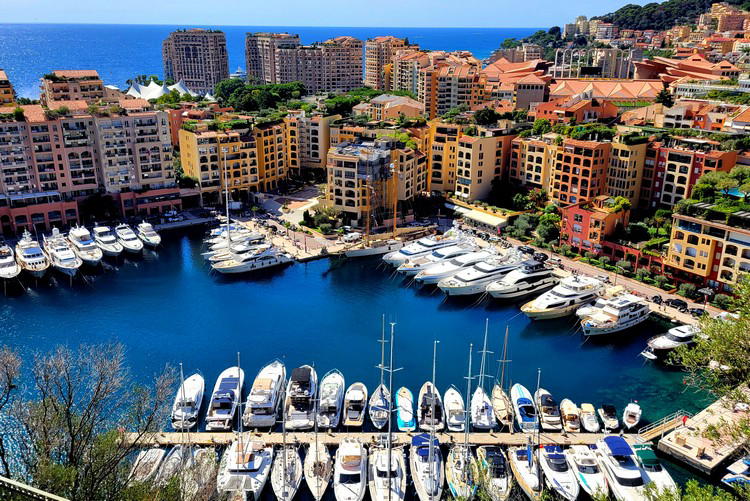
Monaco is the second smallest country in the world and also the most densely populated. Positioned along the French Riviera, the principality was founded in 1297 after François Grimaldi seized a fortress guarding the Rock of Monaco.
The Grimaldi family has remained closely tied to Monaco’s leadership for centuries.
Monaco is widely recognised for its luxury lifestyle, wealthy residents and glamorous reputation. Roughly 30 percent of its population are millionaires, while poverty and unemployment rates remain exceptionally low.
However, living costs are among the highest in the world due to limited land and strong demand for housing.
Although the country is famous for the Monte Carlo casino district, Monaco citizens are legally prohibited from gambling.
Key Facts:
- Area: 0.81 square miles (2.1 sq km)
- Population: About 38,300
- Founded: 1297
- Official language: French
1. Vatican City
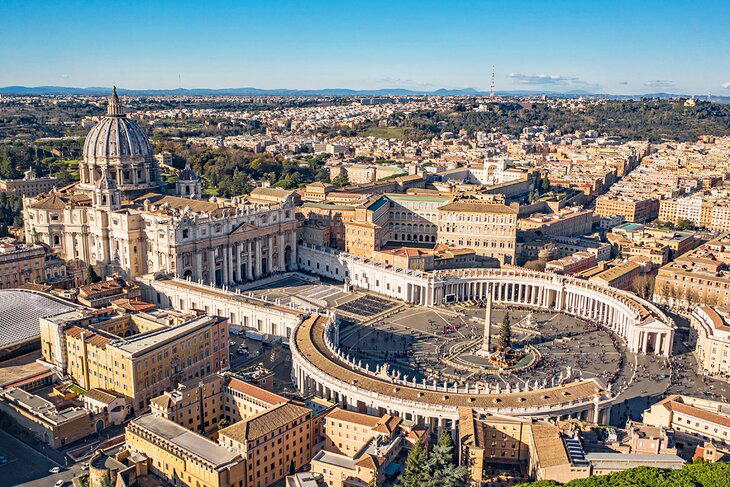
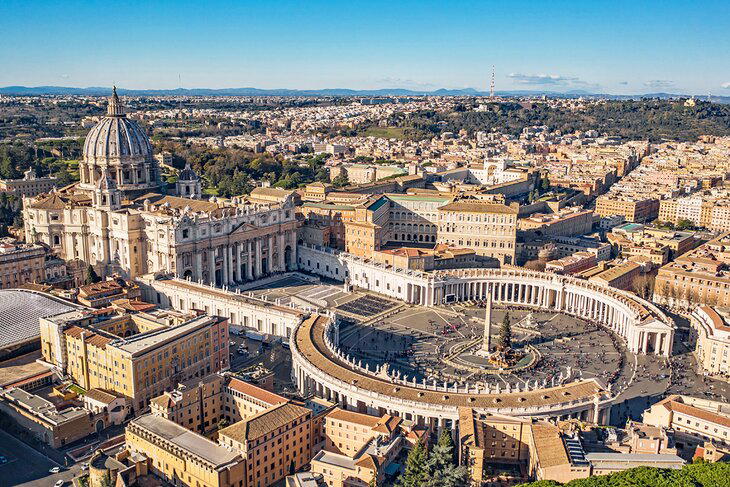
Vatican City holds the distinction of being the smallest sovereign state on earth. Surrounded by Rome in Italy, the country also stands out as the only independent nation designated entirely as a UNESCO World Heritage Site.
Although Vatican City officially became an independent state in 1929, its religious and historical roots stretch back centuries. Significant structures such as the Apostolic Palace and the Sistine Chapel became central to the Vatican after the papacy returned to Rome from Avignon in the 14th century.
Today, tourism is the backbone of the Vatican’s economy. Despite having fewer than 1,000 residents, the city-state welcomes millions of visitors annually.
A popular comparison often made is that Vatican City is roughly one-eighth the size of New York City’s Central Park.
Key Facts:
- Area: 0.19 square miles (0.49 sq km)
- Population: About 825
- Established: 1929
- Official language: Italian
The post 5 smallest countries in the world by land area appeared first on Vanguard News.
